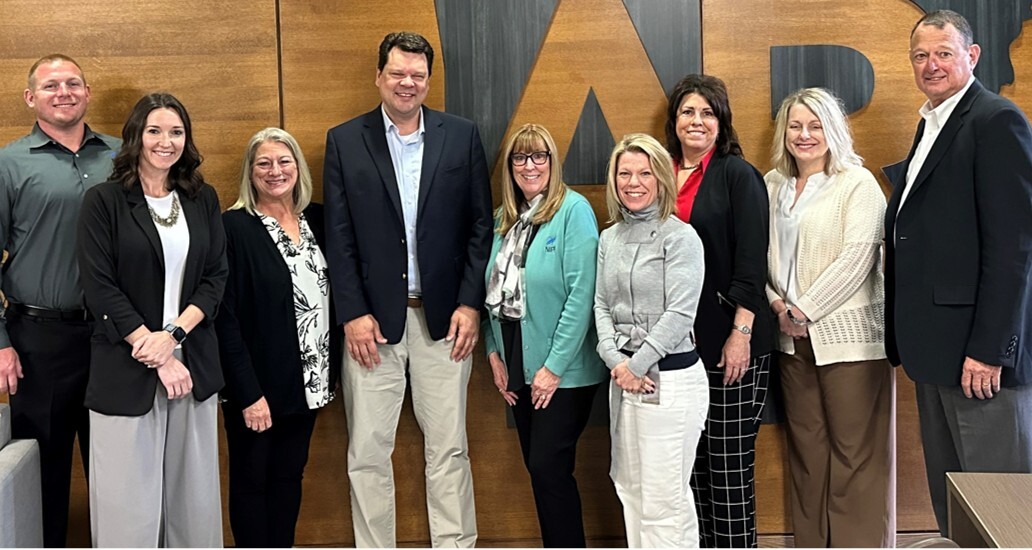
Arkansas Visit Highlights the Power of Partnership and Progress NIPR helped Arkansas identify opportunities to modernize processes and reduce complexity for regulators and industry professionals In April, NIPR’s State Regulatory Affairs Team visited Arkansas to help address a state-specific licensing processes that had created confusion for applicants and required significant manual effort for state staff. The engagement aligned with a broader statewide initiative, as the Governor of Arkansas had directed agencies through an executive order to identify efficiencies and streamline processes. Rather than pushing for change, the team focused on building trust, sharing options, and helping regulators evaluate their processes through the lens of industry best practices. During the visit, the team walked Arkansas leadership through NIPR’s product offerings and demonstrated how those solutions could work within the state’s existing regulatory framework. By collaborating closely with state stakeholders and assessing feasibility together, the team helped create a path toward a more streamlined, efficient process. As a result, Arkansas welcomed NIPR’s recommended best practices, paving the way for less administrative overhead for state staff and faster market entry for industry customers. “This is a great example of how NIPR serves as a trusted partner to regulators,” said Laurie Wolf, Chief Regulatory Officer at NIPR. “By listening first, sharing knowledge gained from our work across jurisdictions, and helping states evaluate practical options, we can reduce complexity, improve consistency, and create better outcomes for everyone involved.” The Arkansas engagement is more than a single success story—it reflects the ongoing work NIPR does every day to help states modernize processes, reduce operational burden, and strengthen regulatory efficiency across the insurance industry. For more information, contact NIPR's State Regulatory Affairs team at statesupport@nipr.com. Related Articles Partnership in Action: Advancing Efficiency in Arkansas Arkansas Visit Highlights the Power of Partnership and Progress NIPR helped Arkansas identify opportunities to modernize processes and reduce complexity for regulators and industry professionals In April, NIPR’s State Regulatory Affairs Team visited Arkansas to help address a state-specific licensing processes that had created confusion for applicants and required significant manual effort for state staff. The engagement aligned with a broader statewide initiative, as the Governor of Arkansas had directed agencies through an executive order to identify efficiencies and streamline processes. Rather than pushing for change, the team focused on building trust, sharing options, and helping regulators evaluate their processes through the lens of industry best practices. During the visit, the team walked Arkansas leadership through NIPR’s product offerings and demonstrated how those solutions could work within the state’s existing regulatory framework. By collaborating closely with state stakeholders and assessing feasibility together, the team helped create a path toward a more streamlined, efficient process. As a result, Arkansas welcomed NIPR’s recommended best practices, paving the way for less administrative overhead for state staff and faster market entry for industry customers. “This is a great example of how NIPR serves as a trusted partner to regulators,” said Laurie Wolf, Chief Regulatory Officer at NIPR. “By listening first, sharing knowledge gained from our work across jurisdictions, and helping states evaluate practical options, we can reduce complexity, improve consistency, and create better outcomes for everyone involved.” The Arkansas engagement is more than a single success story—it reflects the ongoing work NIPR does every day to help states modernize processes, reduce operational burden, and strengthen regulatory efficiency across the insurance industry. For more information, contact NIPR's State Regulatory Affairs team at statesupport@nipr.com. Related Articles Oct 15, 2026 Regulatory Spotlights On the Right Flight Path to Licensing Uniformity Related Articles Oct 15, 2026 Employee Spotlights The People Who Help Power NIPR This year, as part of our Powered by People – 30 Years Strong anniversary celebration, we want to shine a light on the people who have powered NIPR’s success. Meet some of the people who help “power” NIPR by living our values, strengthening our culture, supporting our mission, or contributing to making NIPR a better place to work. "One of the things I love most about working at NIPR is that, like cycling, the journey is made better by the people around you. I've been fortunate to ride with people from all over the world and learn from different experiences and perspectives. At NIPR, that same diversity, combined with endurance, collaboration, and character, helps us achieve more together than we ever could alone," said J.T. Burgess. Since joining NIPR in 2006, whether J.T. is tackling a challenging trail or helping move a project forward, he brings the same team-first mindset to everything he does. His appreciation for diverse perspectives and belief in the power of collaboration reflect what makes NIPR strong. As we celebrate the people who have powered our success over the past 30 years, J.T. reminds us that the journey is always more meaningful when we ride together. Related Articles Oct 5, 2026
Arkansas Visit Highlights the Power of Partnership and Progress NIPR helped...
Read More
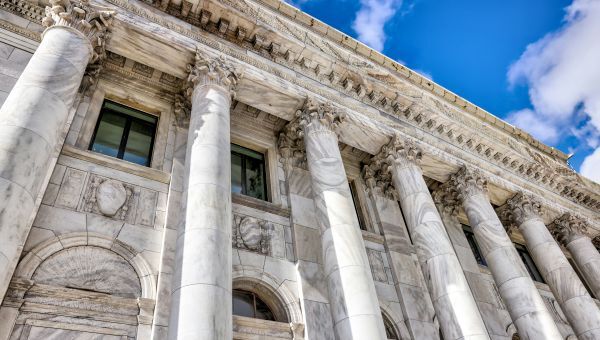
On the Right Flight Path to Licensing Uniformity Meet Monicka Richmeier, Director of Licensing for the Kansas Department of Insurance and 2026 Chair of the NAIC Producer Licensing Task Force From law enforcement to insurance regulation, Monicka Richmeier has built a career focused on protecting consumers and improving regulatory processes. Today, she serves as Director of Licensing for the Kansas Department of Insurance and Chair of the 2026 NAIC Producer Licensing Task Force on behalf of Kansas Insurance Commissioner Vicki Schmidt. She works with regulators, industry partners, NIPR, and NAIC to advance licensing uniformity and modernization across the states. Before joining the department in 2021, Richmeier spent more than two decades in public service, including roles in law enforcement and as a Special Agent with the Kansas Attorney General’s Office, where she established the statewide Roofing Registration Unit. Her background in regulation, investigations, compliance, and consumer protection gives her a practical perspective on improving licensing processes. Monicka holds a Bachelor of Science in Justice Studies from Pittsburg State University and the SILA-A designation. A Kansas native, Richmeier enjoys spending time with her husband and two children and cheering them on at the ballpark. Getting to Know Monicka What hobby could you never give up? Aviation. Richmeier is fascinated by airplanes and loves tracking flights, learning about different aircraft, and following where they are headed. She admits she has even chosen a connecting flight over a nonstop just for the chance to fly on a specific aircraft. For her, the journey can be just as exciting as the destination. If you could have any superpower, what would it be? The ability to instantly learn and understand anything. While she would enjoy having access to unlimited knowledge, she says the real superpower would be understanding people, their experiences, and the perspectives they bring to the table. Spend enough time around Richmeier, and you may find yourself checking flight trackers and identifying aircraft overhead, too. Fortunately for the industry, she also brings that same attention to detail and passion to her role as a regulator, helping keep the insurance marketplace "flying" smoothly. Related Articles Regulatory Spotlights On the Right Flight Path to Licensing Uniformity Related Articles Oct 15, 2026 Q&A with Eric Saul: Modernizing Licensing One Step at a Time Moving Licensing Forward NIPR launched LicenseHub™ this week, a refreshed licensing center experience designed to make it easier for insurance professionals to obtain, renew, and manage licenses through a more intuitive and streamlined interface. With improved navigation, clearer workflows, and easier access to licensing information, LicenseHub is designed to help users navigate high-volume licensing tasks with greater confidence and efficiency. The enhanced experience also represents the next step in NIPR’s continued investment in modernizing the digital tools and experiences that support the insurance licensing community. To learn more about what it means for the industry, we spoke with Eric Saul, NIPR’s Chief Product and Technology Officer and CEO-elect, about the vision behind LicenseHub and how it supports NIPR’s broader commitment to simplifying insurance licensing. Q. How will LicenseHub benefit insurance professionals, and why is NIPR launching it now? Eric Saul: Producer licensing can be complex work. Our job is to keep the tools from making it harder than it already is. LicenseHub is a real step forward toward that goal. Users get a clearer path through licensing and compliance, with faster access to the information they need and fewer steps between tasks. Reducing friction in the licensing experience is one of our biggest focus areas going forward, and this launch is a major step forward. It's also just the start of our work under that focus, not the endgame. Q. What improvements will users notice first? Eric Saul: Users will notice a more modern design and a more intuitive way to move through licensing and compliance tasks. LicenseHub includes streamlined navigation, clearer application steps, a progress bar to help users track their progress, and improved access to key tools and resources. These updates are designed to make the experience feel more consistent and easier to use while preserving the core functionality customers already rely on. Q. What type of licensing activities are supported in LicenseHub? Eric Saul: LicenseHub supports many of the highest-volume licensing activities our users complete today, including resident and non-resident licensing and renewals, adjuster licensing and renewals, no-home-state licensing and renewals, demographic or name updates, license updates, contact change requests, producer reports, receipts, continuing education transcripts, and payments. Our goal is to bring more clarity and consistency to the licensing journey while helping users complete essential tasks efficiently. Q. How was LicenseHub developed? Eric Saul: This work was research-led and highly collaborative. We looked at years of our internal customer support data, usability insights, and feedback from users to better understand where friction existed and where clearer workflows could make the greatest difference. Product, engineering, user experience, customer support, communications, and other teams worked together to ensure LicenseHub reflects both customer needs and NIPR’s long-term product direction. Q. How does LicenseHub support NIPR's broader product vision? Eric Saul: LicenseHub is an important milestone in NIPR’s ongoing effort to create a more connected digital experience across our products. Over the past several years, we have modernized key parts of the customer experience, including NIPR.com and other product platforms. LicenseHub continues that work by delivering a more unified look and feel, reducing friction in common licensing tasks, and creating a foundation we can continue to build on as customer needs evolve. Q. What does this mean for the insurance licensing community? Eric Saul: Efficient licensing benefits everyone. When insurance professionals can access information more easily, complete licensing tasks with less friction, and navigate the process with more confidence, it supports the broader regulatory and compliance ecosystem. LicenseHub is one way NIPR is continuing to invest in tools that help connect the industry to the licensing information it needs. Q. What should users do next? Eric Saul: We encourage users to explore the educational resources available for LicenseHub, take a tour of the updated experience, and continue watching for additional launch communications from NIPR. Our teams are committed to supporting users through the transition and helping them understand how LicenseHub can support their licensing, compliance, and operational goals. Connecting You to the Licensing Information You Need With the launch of LicenseHub, NIPR is delivering a more modern, consistent, and user-focused licensing experience. The refreshed platform supports the work insurance professionals do every day while strengthening the foundation for future enhancements. LicenseHub reflects NIPR’s continued commitment to simplifying insurance licensing and helping users access the information they need with clarity, consistency, and confidence. Explore LicenseHub before it launches in September. Related Articles Sep 9, 2026 Navigating the Insurance License Renewal Process with Ease When it comes to renewing your insurance license, planning ahead and understanding the renewal requirements can help ensure everything goes smoothly. Here, you'll find guidance on topics including resident and non-resident renewals, fees and continuing education (CE), along with tips for staying compliant and getting it all done on time. Resident Versus Non-resident License Renewals A resident insurance license is issued based on an individual’s state of residency or the state of their primary place of business. Having a non-resident license means an insurance agent can sell, discuss or change insurance policies in a state where they aren’t a resident. There is a lot of overlap between renewing resident and non-resident licenses, and most insurance licenses are reciprocal across states. This means that after getting an insurance license or line of authority (also called an LOA) in your home state, it’ll be easier to get that license or LOA in other states. The requirements in some states, however, are more stringent than in others, so it’s important to understand the requirements for insurance licensing in your home state, also called your resident state, as well as the other states where you conduct business. Our State overview page can help you find the insurance renewal requirements for all 50 states. Understanding License Expiration and Renewal Dates Resident and nonresident licenses typically expire after two years. But the timing of those two years can differ by state. In some states, licenses expire two years from their issue date. Others expire in even or odd years. And some state’s two-year expiration periods for individuals are based on the year and month of the agent’s date of birth. Understanding Continuing Education for Resident and Non-resident Renewals Most states require producers to complete their CE requirements (CE) before they can submit their renewal application. It normally takes three to five business days for the test provider to report the results to the appropriate states and to NIPR. Typically, as long as agents meet their home state requirements, they’ll satisfy the requirements in other states. Once the resident state’s department of insurance verifies that the agent has met these requirements, other states where the agent works in can verify that agent’s information through the NIPR Producer Database (PDB). We recommend you complete the required hours at least 30 days before your license expiration date. It can be helpful to visit our CE transcripts page. And our CE Requirements Learn page will give you an overview of the CE process. Adding a Line of Authority During Renewals When you renew an insurance license, you can only renew a LOA you already hold — you can’t add new ones. Visit our Adding a line of authority page to learn more about adding LOAs. Required for License Renewals When you renew your license, you’ll need the following: License number or National Producer Number (NPN). Federal Employer Identification Number (FEIN) or the last four digits of your Social Security Number (SSN). Date of birth (individuals) Applicant, licensee, license, residency type. Electronic payment method: Visa, Mastercard, AMEX, electronic check. What Happens When a License Expires? The exact outcome of a license expiration depends on the state, but it will be one of the following: You must reapply for a license as if you were a new agent in that state. There's a grace period after the expiration date during which you can still renew your license. Your license gets canceled, and there’s a waiting period before you can reapply. Fees for Reinstating a License Each state charges different amounts for obtaining and renewing licenses, which include transaction fees and state license fees. Late fees can increase the overall fees you’ll have to pay. You can learn more about state-specific renewal costs as well as renewal periods and eligibility on our State requirements page. Make Your Renewal Process Go More Effectively There are some things you can do to help your renewal process go more smoothly. The tips below highlight the importance of not waiting till the last minute. Give yourself plenty of time. You may find you need to fulfill additional renewal requirements, such as completing CE or making updates to contact information. Gather what you need beforehand. Have your NPN, resident license numbers and other required documents easily accessible. Find your National Producer Number (NPN) using the NIPR Look up a National Producer number tool on our Licensing page. Keep your contact information updated. It can take up to five days for changes to email, phone, address, etc., to be fully processed through our contact change request service. Meet your CE requirements in advance. Most states require producers to complete their CE before submitting a renewal application, so familiarize yourself with your state’s CE reporting requirements. We recommend completing any required CE hours at least 30 days prior to your license expiration date. Avoid the end of the month. Wait times for state insurance departments tend to be longer at the end of the month. States begin to accept renewal transactions 30-120 days prior to the expiration of a license. For more information on renewing your license through NIPR, visit our Renew your license page. And to find more ways to improve your insurance license renewal process, read the streamlining the producer licensing process article written by our Chief Executive Officer Karen Stakem Hornig. Related Articles Jun 9, 2026
On the Right Flight Path to Licensing Uniformity Meet Monicka Richmeier,...
Read More
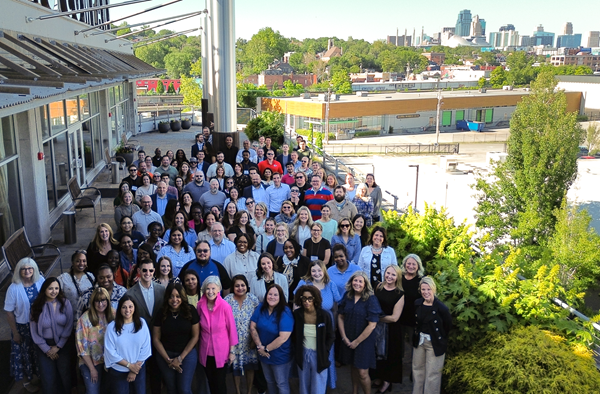
The People Who Help Power NIPR This year, as part of our Powered by People – 30 Years Strong anniversary celebration, we want to shine a light on the people who have powered NIPR’s success. Meet some of the people who help “power” NIPR by living our values, strengthening our culture, supporting our mission, or contributing to making NIPR a better place to work. Meet Michelle Wilson, Senior Manager of State Relationship Accounts Supporting Our State Stakeholders Since joining NIPR in October 2024, Michelle Wilson has quickly made an impact. Promoted to Senior Manager of State Relationship Accounts, she leads NIPR's State Relationship Account Managers and State Support Operations Manager, helping ensure state partner needs remain at the center of everything we do. With more than a decade of experience supporting state regulators and NAIC applications, including SERFF, OPTins, and State Based Systems (SBS), Michelle brings a unique blend of technical expertise, customer service experience, and a solutions-focused mindset. Her deep understanding of state department priorities helps strengthen partnerships and drive positive outcomes for our state partners. Based in Kansas City, Missouri, Michelle enjoys spending time with her family, cheering on the Kansas City Chiefs, and reading whenever she can. In fact, she's an avid reader who aims to finish a book each week. And if she could instantly master any skill? It would be skiing, so she could finally keep up with the rest of her ski-loving family. "The days are long, but the years are short, so enjoy each day even the hard ones," is the best advice Michelle says she's ever received, a philosophy she embraces both at work and at home. We're grateful for Michelle's leadership, expertise, and commitment to serving our state partners. Meet J.T. Burgess, Senior Software Quality Engineer On a Journey to Achieve More Together "One of the things I love most about working at NIPR is that, like cycling, the journey is made better by the people around you. I've been fortunate to ride with people from all over the world and learn from different experiences and perspectives. At NIPR, that same diversity, combined with endurance, collaboration, and character, helps us achieve more together than we ever could alone," said J.T. Burgess. Since joining NIPR in 2006, whether J.T. is tackling a challenging trail or helping move a project forward, he brings the same team-first mindset to everything he does. His appreciation for diverse perspectives and belief in the power of collaboration reflect what makes NIPR strong. As we celebrate the people who have powered our success over the past 30 years, J.T. reminds us that the journey is always more meaningful when we ride together. Meet Chantal Shirley, Staff Site Reliability Engineer The People Behind NIPR's Technology For Chantal Shirley, what makes NIPR special is not only the technology, but the people behind it. As a Staff Site Reliability Engineer who has been with NIPR for three and a half years, Chantal helps support the technology that keeps the organization moving. While she enjoys working with cutting-edge technology, she says the most meaningful part of her role is learning and solving problems alongside her teammates. “I get to work on interesting technology, but what makes it special is doing it alongside colleagues who are generous with their knowledge and who gently push me to think more deeply. I always feel like I'm learning from those around me," said Chantal. When asked what she is most proud of during her time at NIPR, Chantal points to the everyday collaboration that helps teams move forward. “Whether it's troubleshooting a tricky configuration, rebuilding an operating system, solving a stubborn query, or working through the occasional regression, helping each other stay unblocked is what keeps things moving.” For Chantal, that spirit of teamwork is what "Powered by People" means in practice. She credits the support of teammates and leaders for creating an environment where people are encouraged to learn, grow, and take on new challenges. She sees opportunities such as her recent selection for the AWS All Builders Welcome Grant as a reflection of that culture and the people who helped her get there. Fun fact: Before becoming an engineer, Chantal worked in education and, at one point, taught elementary, middle, and high school students at the same time. As NIPR celebrates 30 years of innovation, Chantal is excited about the new ideas the future will bring and the opportunity to continue growing alongside her teammates. Related Articles Partnership in Action: Advancing Efficiency in Arkansas Arkansas Visit Highlights the Power of Partnership and Progress NIPR helped Arkansas identify opportunities to modernize processes and reduce complexity for regulators and industry professionals In April, NIPR’s State Regulatory Affairs Team visited Arkansas to help address a state-specific licensing processes that had created confusion for applicants and required significant manual effort for state staff. The engagement aligned with a broader statewide initiative, as the Governor of Arkansas had directed agencies through an executive order to identify efficiencies and streamline processes. Rather than pushing for change, the team focused on building trust, sharing options, and helping regulators evaluate their processes through the lens of industry best practices. During the visit, the team walked Arkansas leadership through NIPR’s product offerings and demonstrated how those solutions could work within the state’s existing regulatory framework. By collaborating closely with state stakeholders and assessing feasibility together, the team helped create a path toward a more streamlined, efficient process. As a result, Arkansas welcomed NIPR’s recommended best practices, paving the way for less administrative overhead for state staff and faster market entry for industry customers. “This is a great example of how NIPR serves as a trusted partner to regulators,” said Laurie Wolf, Chief Regulatory Officer at NIPR. “By listening first, sharing knowledge gained from our work across jurisdictions, and helping states evaluate practical options, we can reduce complexity, improve consistency, and create better outcomes for everyone involved.” The Arkansas engagement is more than a single success story—it reflects the ongoing work NIPR does every day to help states modernize processes, reduce operational burden, and strengthen regulatory efficiency across the insurance industry. For more information, contact NIPR's State Regulatory Affairs team at statesupport@nipr.com. Related Articles Oct 15, 2026 Regulatory Spotlights On the Right Flight Path to Licensing Uniformity Related Articles Oct 15, 2026 Employee Spotlights The People Who Help Power NIPR This year, as part of our Powered by People – 30 Years Strong anniversary celebration, we want to shine a light on the people who have powered NIPR’s success. Meet some of the people who help “power” NIPR by living our values, strengthening our culture, supporting our mission, or contributing to making NIPR a better place to work. "One of the things I love most about working at NIPR is that, like cycling, the journey is made better by the people around you. I've been fortunate to ride with people from all over the world and learn from different experiences and perspectives. At NIPR, that same diversity, combined with endurance, collaboration, and character, helps us achieve more together than we ever could alone," said J.T. Burgess. Since joining NIPR in 2006, whether J.T. is tackling a challenging trail or helping move a project forward, he brings the same team-first mindset to everything he does. His appreciation for diverse perspectives and belief in the power of collaboration reflect what makes NIPR strong. As we celebrate the people who have powered our success over the past 30 years, J.T. reminds us that the journey is always more meaningful when we ride together. Related Articles Oct 5, 2026
The People Who Help Power NIPR This year, as part of our Powered by People – 30...
Read More
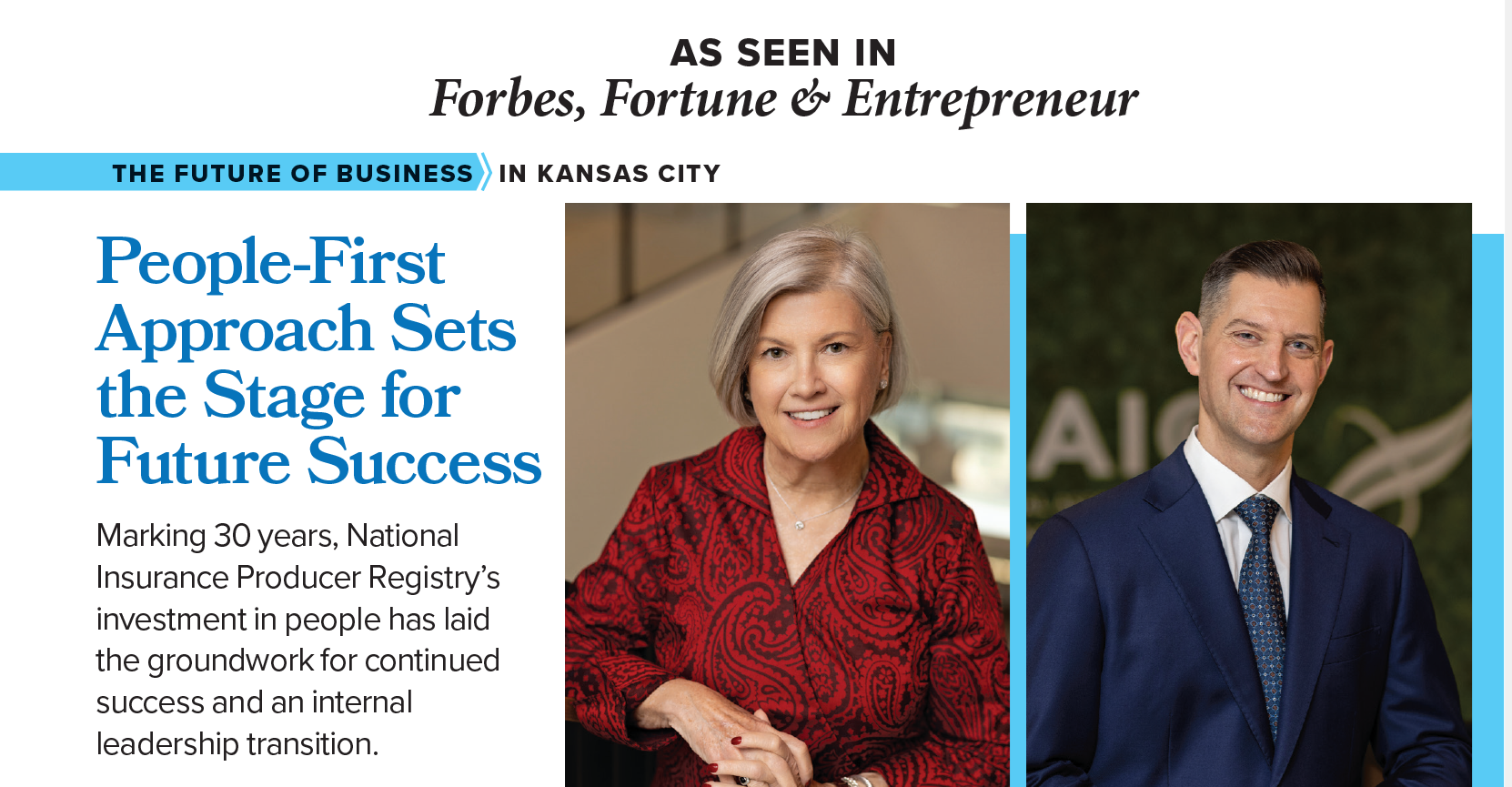
Preparing for the Future By Building on a Strong Foundation As NIPR celebrates 30 years of serving the insurance industry, we're proud to share that our CEO succession plan and people-first culture were recently featured in Forbes, Fortune, and Entrepreneur magazines. The article highlights the leadership transition from CEO Karen Stakem Hornig to Chief Product and Technology Officer Eric Saul and the thoughtful planning that positions NIPR for continued success. Read full article here, and highlights of article below. Legacy of Leadership Since joining NIPR in 2014, Karen has led the organization through a period of significant growth, expanding NIPR's reach to all U.S. jurisdictions and strengthening our role as a trusted provider of licensing and compliance solutions for the insurance industry. Throughout her tenure, she has championed a people-first culture focused on developing talent, fostering innovation, and supporting our mission. Next in Line That commitment to investing in people is reflected in the appointment of Eric Saul as NIPR's next CEO. Eric joined NIPR in 2020 and has played an integral role in advancing our technology, products, and strategic direction. His leadership experience and dedication to empowering teams align closely with NIPR's mission and values. The article underscores a key principle that has guided NIPR's success for three decades: when organizations invest in people, they build the foundation for long-term growth, stability, and impact. We invite you to read the full article and learn more about the leadership transition, NIPR's history, and the people-first philosophy that continues to shape our future. This year marks 30 years of NIPR—three decades of trust, teamwork, innovation, and excellence. We’re proud of the technology and processes we’ve built, but the real story has always been our people: the teams who show up, solve problems, support one another, and keep our mission moving. Related Articles Partnership in Action: Advancing Efficiency in Arkansas Arkansas Visit Highlights the Power of Partnership and Progress NIPR helped Arkansas identify opportunities to modernize processes and reduce complexity for regulators and industry professionals In April, NIPR’s State Regulatory Affairs Team visited Arkansas to help address a state-specific licensing processes that had created confusion for applicants and required significant manual effort for state staff. The engagement aligned with a broader statewide initiative, as the Governor of Arkansas had directed agencies through an executive order to identify efficiencies and streamline processes. Rather than pushing for change, the team focused on building trust, sharing options, and helping regulators evaluate their processes through the lens of industry best practices. During the visit, the team walked Arkansas leadership through NIPR’s product offerings and demonstrated how those solutions could work within the state’s existing regulatory framework. By collaborating closely with state stakeholders and assessing feasibility together, the team helped create a path toward a more streamlined, efficient process. As a result, Arkansas welcomed NIPR’s recommended best practices, paving the way for less administrative overhead for state staff and faster market entry for industry customers. “This is a great example of how NIPR serves as a trusted partner to regulators,” said Laurie Wolf, Chief Regulatory Officer at NIPR. “By listening first, sharing knowledge gained from our work across jurisdictions, and helping states evaluate practical options, we can reduce complexity, improve consistency, and create better outcomes for everyone involved.” The Arkansas engagement is more than a single success story—it reflects the ongoing work NIPR does every day to help states modernize processes, reduce operational burden, and strengthen regulatory efficiency across the insurance industry. For more information, contact NIPR's State Regulatory Affairs team at statesupport@nipr.com. Related Articles Oct 15, 2026 Regulatory Spotlights On the Right Flight Path to Licensing Uniformity Related Articles Oct 15, 2026 Employee Spotlights The People Who Help Power NIPR This year, as part of our Powered by People – 30 Years Strong anniversary celebration, we want to shine a light on the people who have powered NIPR’s success. Meet some of the people who help “power” NIPR by living our values, strengthening our culture, supporting our mission, or contributing to making NIPR a better place to work. "One of the things I love most about working at NIPR is that, like cycling, the journey is made better by the people around you. I've been fortunate to ride with people from all over the world and learn from different experiences and perspectives. At NIPR, that same diversity, combined with endurance, collaboration, and character, helps us achieve more together than we ever could alone," said J.T. Burgess. Since joining NIPR in 2006, whether J.T. is tackling a challenging trail or helping move a project forward, he brings the same team-first mindset to everything he does. His appreciation for diverse perspectives and belief in the power of collaboration reflect what makes NIPR strong. As we celebrate the people who have powered our success over the past 30 years, J.T. reminds us that the journey is always more meaningful when we ride together. Related Articles Oct 5, 2026
Preparing for the Future By Building on a Strong Foundation As NIPR celebrates...
Read More